
Transforming Retail: Digital product Passports & AI Re-Commerce
Explore how digital product passports, AI-driven re-commerce, and circular store architectures are reshaping retail into a lifecycle-based system. Discover why CIOs must lead this crucial transformation in the post-'new' era of retail.
Imran Ahmad
12/15/20251 min read
Executive Brief for CIOs
Retail is crossing a structural point of no return. What once defined success - selling more new products, faster, at global scale is now colliding with regulatory pressure, margin compression, climate accountability, and a generational collapse in trust.
Two forces are converging: the professionalization of re-commerce and the rise of Digital Product Passports (DPPs). Together, they signal the decline of “new” as retail’s primary value proposition.
The End of the Thrift Era
Re-commerce has evolved from informal thrift markets into a data-driven, enterprise-grade growth engine. The limiting factor was never demand, it was trust. Authentication, grading, and provenance relied on costly human processes. Digital Product Passports replace that friction with verifiable data and automation.
Digital Product Passports as Phygital Twins
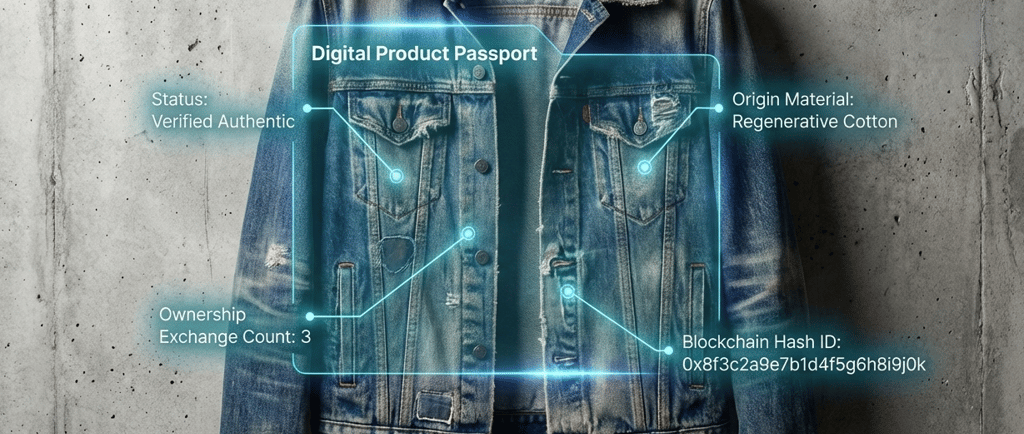
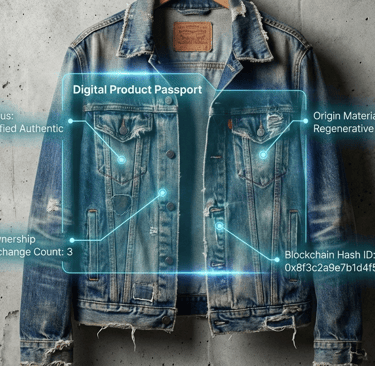
A Digital Product Passport is a persistent digital identity bound to a physical product. It records provenance, materials, ownership history, and repair events. This phygital tether transforms product data into a monetizable asset.
Monetizing Lifecycle, Not Just Sales
With DPPs, brands retain a digital relationship with products across ownership cycles. Smart contracts can enable resale royalties, while brand-owned re-commerce platforms reclaim secondary markets. Revenue is no longer tied to a single transaction, but to product longevity.
Store 2030: The Circular Retail Blueprint
Store 2030 is a circular execution node - part showroom, part data hub, part decision engine. AI-driven routing determines whether products are restocked, repaired, resold, or recycled. Edge intelligence optimizes energy, labor, and customer experience in real time.
The Integrated Buy Box
Primary and secondary markets converge at the point of sale. Customers choose between New, Certified Pre-Owned Grade A, or Grade B products side by side. Transparency, not abundance, becomes the growth driver.
Why CIO Leadership Is Critical
Circular retail demands product-centric data models, explainable AI, edge-to-cloud orchestration, and zero-trust security extending to products themselves. This is an enterprise architecture transformation led by the CIO.
Strategic Takeaway
The future of retail is not about producing more goods, but extracting more value from existing ones. Digital Product Passports and Store 2030 architectures redefine growth, resilience, and sustainability. The death of “new” is not a threat—it is retail’s next operating system.
Contact
Get in touch: connect@ea-chat.com
Subscribe
© 2024. All rights reserved.